Matilda Lloyd with Ensemble 360 Upper Chapel, Sheffield – Oct 3rd 2026
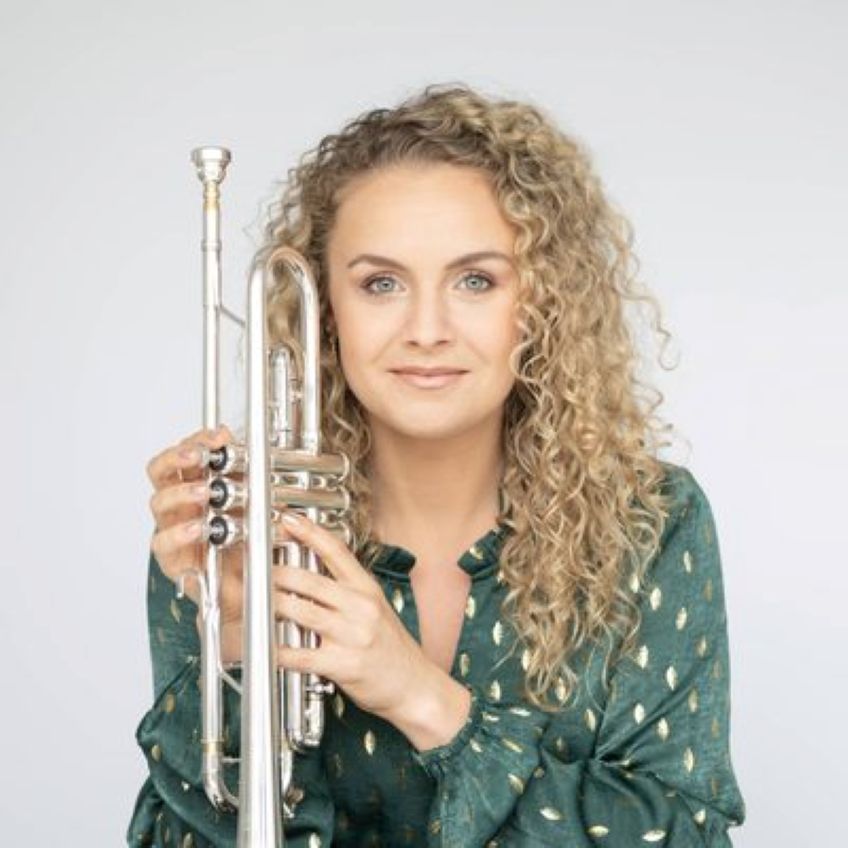
Top of the bill for this intriguing concert was Matilda Lloyd, delighting everyone both with her highly polished skills as award-winning “trumpeter extraordinaire” and her highly polished presenting skills in giving context to pieces. Conjured up, it seems, by Hogwarts Professor of Magical Musical Moments, the selection box of musical offerings grew ever more delicious, showcasing not just trumpet, but also bassoon, cor anglais, piano and violin. Broadly presented as 20th century Americana, the pieces also allowed Europe to blow its own mighty trumpet with an overwhelmingly popular, early nineteenth-century masterpiece (Clue: not the Hummel).
Straightaway, the technical brilliance of piano and trumpet interaction was out to impress in the 1947 Intrada by Swiss/French composer Arthur Honegger, providing fine scope for Lloyd’s crisp playing and eliciting loud applause for the dramatic urgency and beauty of its cadenza-like fanfare flourishes, its crashing chords and its quieter moments. Next, Paul Hindemith’s Concerto for Trumpet and Bassoon of 1949 was accompanied by an Ensemble 360 string quintet. His work considered degenerate by the Nazis, Hindemith wrote the piece not in Germany but in the USA. The pairing of the trumpet’s brighter tone with the bassoon’s inherent warmth of tone and texture works wonderfully in contrasts and in blend, and though, with its economy of style Hindemith’s piece travels a bumpy route, often beset with disquiet, unease, desolation and fragmented, plaintive utterances, the loveliness of Flo Plane’s bassoon and the nuanced dynamics of Lloyd’s trumpet make for superb conversational interplay between the two instruments.
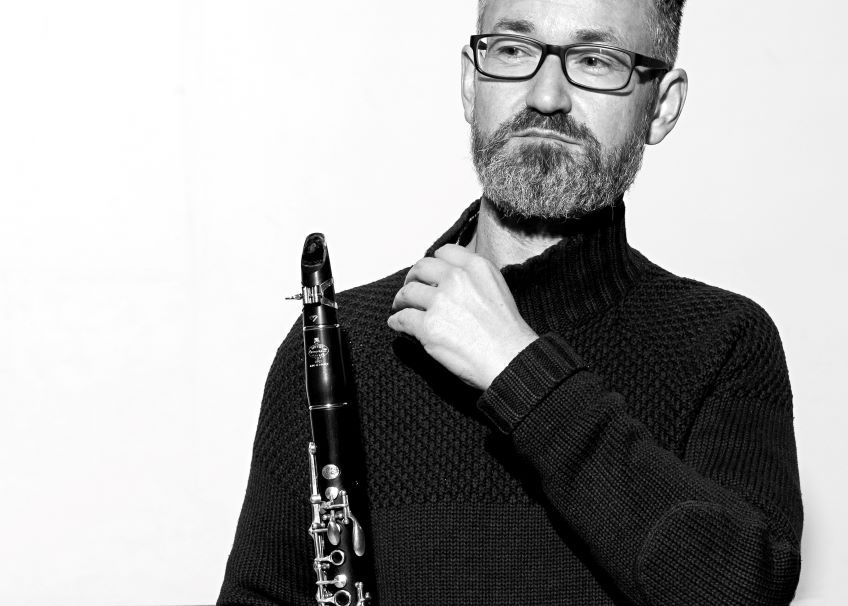
While the brass embouchure took a well-earned break, out strode Robert Plane with his clarinet to join Tim Horton at piano for a wonderfully expressive, energetic, engaging performance of Bernstein’s 1941 Sonata for Clarinet and Piano, ending with a magnificently ebullient finale to prepare us for an All-time Great of the trumpeting repertoire – Joseph Haydn’s jubilant Trumpet Concerto in E flat (again with string quintet). Haydn could hardly contain his playful joy at the 1800 premiere of the piece because he’d written this dazzling, tuneful piece with its chromatics and mind-blowing acrobatics for a new-fangled trumpet that now sported keys, and his audience, used only to the very restricted capabilities of earlier designs didn’t know what was about to hit them. Today, we know all about keys and valves but still this concerto dazzles mightily with its tumbles, flutters, skips and leaps, its thrills and trills, its singing and soaring, its take-offs and landings. Matilda’s crisp tonguing techniques and the floating of notes on the air rather than having them always burst through it ensures exhilaration and wild applause.
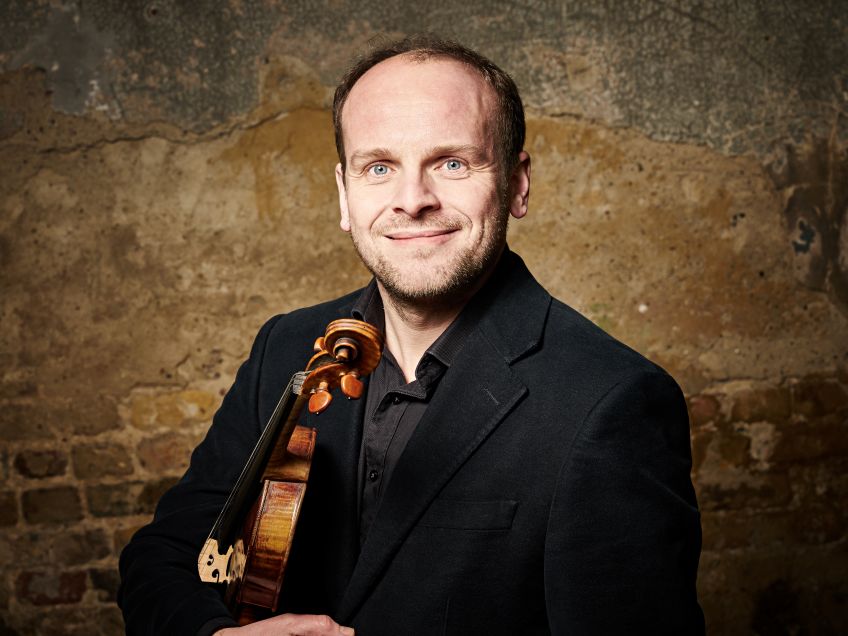
In the second half, from Aaron Copland to George Gershwin by way of Amy Beach, it was scintillation all the way. In evoking mood Copland’s fabulous Quiet City (1940) is simply splendid. Written originally as score for a (failed) play about a desolate man, alone on the street at night, then later re-worked, time is suspended as a loveliness of desolation and warmth emerge through the plaintive melodies of trumpet and Amy McKean’s emotive cor anglais, energies growing and retreating to captivate the listener throughout. Then, in contrast to more modern offerings, Amy Beach’s full-on Romance of 1893 throws us into a richness of passionate expression, into dramas and melodramas of tuneful beauty and Victorian pathos that tug at the heartstrings as Ben Nabarro’s violin soars to the stratosphere, assisted all the way by Tim’s piano.
Providing the perfect grand finale to a programme of mainly twentieth-century Americana – who else but Gershwin. First, a perky, jaunty Walking The Dog, originally written by George with brother Ira as score to an Astaire/Rogers panto sequence (with dogs), then later re-shaped for piano. Today’s arrangement, though, was a new one for trumpet and line-up of string quintet, clarinet, bassoon, oboe and piano, written by composer/conductor George Morton. Busy internationally but Sheffield-based and present at the concert today to enjoy the applause, Morton likewise arranged the next pieces, Gershwin’s extremely popular, always moving Three Preludes of 1926, most often heard on solo piano. A champion of the expansion of repertoires for diverse instruments (and also a specialist in creating live music at film screenings) Morton has also arranged the three preludes to feature the accordion. Gershwin’s appealing mix of jazz, blues, ragtime and classical never fails to enrapture, especially in the second prelude with its lazy, sultry, rocking, bluesy lullaby. Of course, once you add the ultimate encore of encores, nothing but wild applause can result, that encore of encores being the slinky, languid, soulful, divinely beautiful Summertime.
Lucky Sheffield – as ever!
Eileen Caiger Gray