
Retirement often means lots of free hours every day. Many people find it hard to fill this time after years of set routines at work. When regular work stops, some may start to feel bored or unsettled. Finding hobbies that keep the mind busy helps people stay sharp and enjoy their later years.
Staying mentally engaged later in life supports brain function and may even delay the onset of age-related cognitive decline. The right activities can provide not just mental stimulation but also social connections, physical benefits, and a renewed sense of purpose. For many retirees, discovering new interests or rekindling old passions becomes a rewarding path of personal development.
The good news is that there are countless hobby options suitable for older adults, regardless of physical ability or previous experience. From creative pursuits to intellectual challenges, the options for keeping an alert mind after retirement are both varied and accessible.
The Science Behind Mental Activity in Later Years
Regular mental stimulation helps maintain cognitive function as we age. The “use it or lose it” principle applies strongly to our brains. When retirees participate in mentally challenging activities, they create new neural pathways and strengthen existing ones.
Brain-stimulating activities encourage the brain to form fresh connections between cells while reinforcing existing neural networks. This process may help the brain become more resistant to decline and support ongoing memory and thinking skills. Reading, learning new skills, and solving puzzles are believed to keep different parts of the brain active, which may help protect against cognitive decline. Engaging in these activities is thought to lower the risk of developing dementia, as creative hobbies require the brain to adjust and solve problems.
Some activities combine mental and physical benefits. For instance, dancing requires memorising steps while providing exercise. Analytical skills come into play with decision-based activities, such as reviewing statistics, news, and strategies when following in play football betting. Observing how odds shift and tracking results can create opportunities for mental engagement.
The ageing population means more attention is being paid to cognitive health. Mental stimulation through hobbies offers an enjoyable way to support brain health while enjoying retirement years. Activities that provide both social and intellectual engagement can help keep the mind sharp.

Strategic Games and Puzzles for Mental Sharpness
Board games continue as a favourite pastime among British retirees. Chess, in particular, appeals due to its focus on planning, memory, and pattern recognition. Many chess clubs across the UK welcome older adults, offering regular meetups that support both mental activity and social conversation.
Card games like bridge combine memory, strategy and social interaction. Many clubs offer sessions specifically for beginners and returning players, making it easy to get started or pick up a hobby from the past.
Digital puzzles have gained popularity among tech-savvy retirees. Apps that provide brain training exercises are designed to improve memory, attention, and problem-solving skills. Many libraries now offer access to these services, making it easier for older adults to try new ways of keeping their minds active.
Crosswords and sudoku remain staples in many retirement routines. Completing puzzles daily as part of a mental fitness routine can work different parts of the brain, which may help keep overall cognitive function steady.
Strategy games that require planning and foresight may help keep the ageing mind alert because they exercise multiple thinking skills at once. Scrabble serves as a good example. Players must recall vocabulary and make decisions about word placement, which requires reasoning and flexible thinking.
Creative Arts and Crafts That Challenge the Brain
Learning to paint or draw activates parts of the brain involved in spatial awareness and fine motor control. Art allows people to see the world differently while learning new skills. Creative activities like painting, drawing, and crafting are often associated with improved brain health and mood in retirement.
Writing groups provide both creative outlet and social connection. Exploring memoir writing, fiction or poetry exercises memory, language skills and imagination simultaneously.
Music learning is believed to offer strong benefits for the ageing brain. Learning an instrument later in life can support cognitive flexibility. Community orchestras and choirs’ welcome beginners of all ages, making music an accessible hobby for many retirees.
Photography combines technical knowledge with artistic expression. Digital cameras make this hobby more accessible than ever, with many retirees documenting their travels or local wildlife. Photography clubs often organise outings specifically for older members.
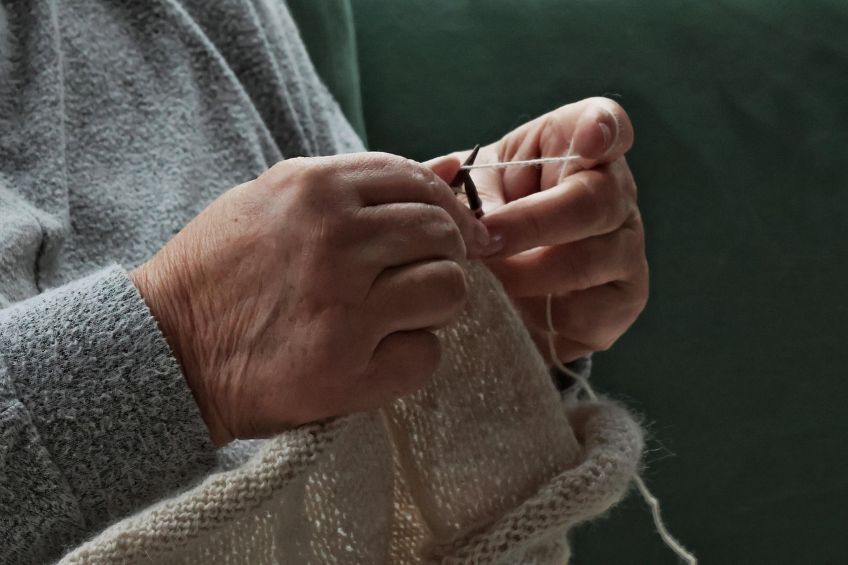
Crafting hobbies like knitting, woodworking or pottery engage both mind and hands. The concentration required for these activities can create a meditative state that may reduce stress while exercising fine motor skills and spatial reasoning.
Learning New Skills in the Digital Age
Online learning platforms have changed educational access for retirees by removing physical and geographic barriers. A person no longer needs to travel or stick to rigid classroom schedules, making it possible to study at home at their own pace. Signing up for subjects such as history, literature, or psychology allows older adults to explore areas of interest.
Digital literacy programmes specifically designed for older adults are available through local libraries and community centres. These courses help retirees navigate everything from video calls with grandchildren to online shopping and banking.
Language learning is thought to support stronger memory and sharper thinking because it challenges the brain to take in new vocabulary, sounds, and grammar. Retirees often benefit through apps that offer short, daily lessons at their own pace. Joining conversation classes gives practical speaking opportunities.
Virtual communities connect like-minded retirees across geographical boundaries. Forums and social media groups focused on specific interests allow knowledge sharing and friendship development. These connections help prevent isolation while stimulating intellectual activity.
Many universities offer special programmes for older learners. Courses without exams focus instead on learning for enjoyment and personal development, making education enjoyable at any age. Some institutions provide discounted rates for seniors, making continued education more accessible.
Social Learning Activities with Cognitive Benefits
Book clubs combine reading with lively discussion, exercising comprehension and verbal skills. Libraries across the UK host reading groups specifically for older adults, often with large-print options available. These groups provide regular social contact around thoughtful discussion.
Volunteer opportunities that use professional skills keep knowledge fresh while contributing to society. Retired teachers might tutor struggling students, while former accountants could help charities with their finances. The mental engagement comes with the added benefit of purpose.
Intergenerational learning programmes pair retirees with younger people for mutual benefit. These connections allow wisdom sharing while keeping retirees mentally connected with current issues.
Discussion groups that address current events or philosophy encourage participants to share opinions and consider new viewpoints. Retirees looking for this type of mental challenge can join sessions run by local councils or community organisations.
Travel clubs combine discovering new places with shared learning. Many groups organise trips with historical or cultural themes, often featuring knowledgeable guides. The mental engagement of learning about new places is paired with social experiences. These clubs often welcome members with varying mobility levels.
Retirement brings extra free time, so people can find what they enjoy and try new things. Picking hobbies that challenge the mind helps keep thinking skills strong while adding enjoyment and meaning. There are activities to suit many interests, abilities, and budgets, so every retiree can find something right for them.