
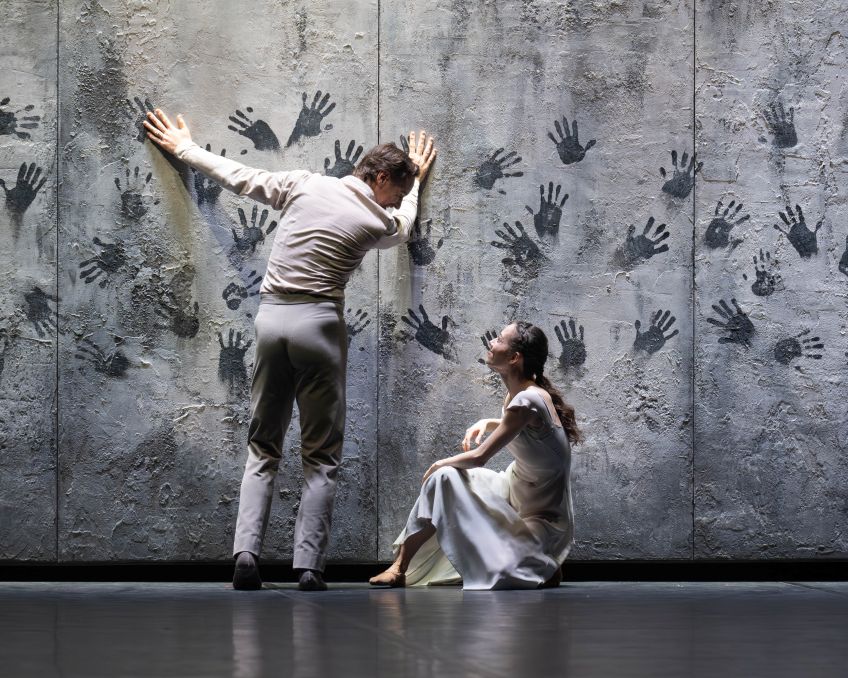
Akram Khan’s Giselle, which premiered in 2016 and has been seen all over the world, is poles apart from the classic Giselle balletgoers know from Mary Skeaping’s much-loved production. Khan’s version is not pretty; it is totally dark and brutally violent.
Giselle is no longer a naïve peasant girl living in Medieval Europe who falls in love with a handsome liar, who turns out to be a prince in disguise.
Giselle (Emily Suzuki) is now an outcast working in a garment factory. Albrecht (James Streeter) is a member of the rich Landlord class. The Wilis (headed by Emma Hawes) are ghosts of factory workers who have died on the factory floor. They carry staves and kill Hilarion (Ken Saruhashi).
Khan’s re-invention is set in an abstract modern period, the age of the economic migrant and cheap labour. The stage is dominated by a high wall, designed to keep people out.
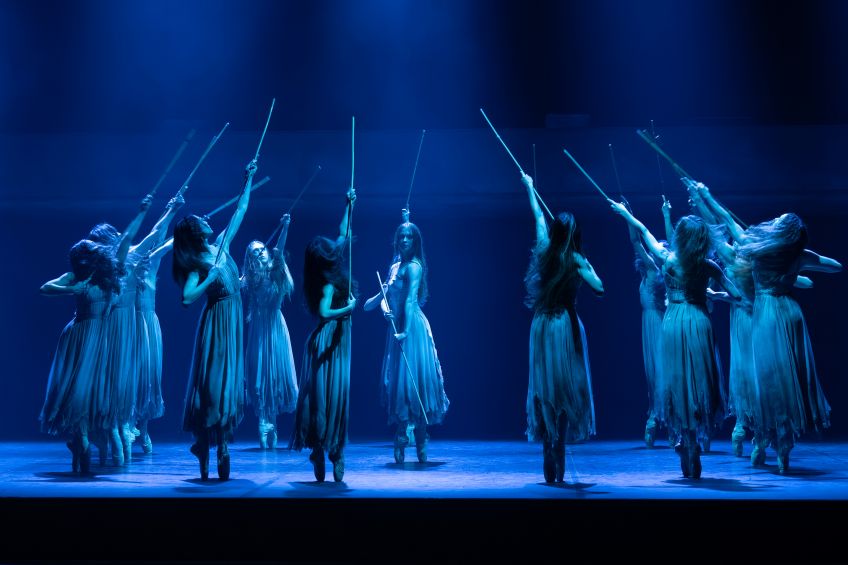
Seeing the ballet again, I find I am still much more interested in the choreography performed by the corps than in the actual storyline.
Khan’s re-imaging is a highly dramatic experience, a major event, a modern classic. The opening choreography – earthy, classic, Kathak – is relentless, threatening and thrillingly energetic. Mark Henderson’s atmospheric lighting puts the cast in silhouette
Vincenzo Lamagna’s powerful, ominous, emphatic industrial score uses a variety of sounds, sea, wind, machinegun, clock and silence. Adolphe Adam’s original score can occasionally be heard within the soundscape.
To learn more about Robert Tanitch and his reviews, click here to go to his website.