By Nigel Heath
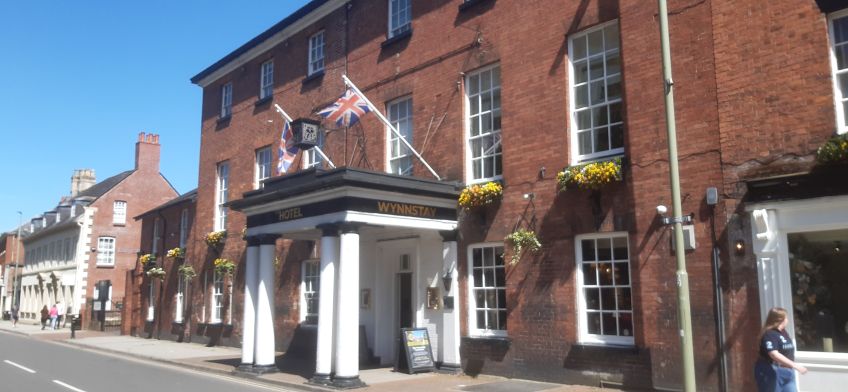
Enter the historic Wynnstay Hotel in the old Shropshire market town of Oswestry and you will be following in the footsteps of a young Queen Victoria.
For dating back to the 1770s the hotel was established as a grand coaching inn on the well ridden route between London and Holyhead.
And should you be a lover of visiting historic country houses and gardens then this is the base for you because just a short drive away is the National Trust’s spectacular Erddig Hall.
Here, in the period we have been talking about, this stately home built in the 1680s had already been inherited by Simon Yorke and his descendants and remained firmly rooted in his family with all its furnishings and effects for the next 250 years until being donated literally, lock stock and barrel to the National Trust in March 1973.
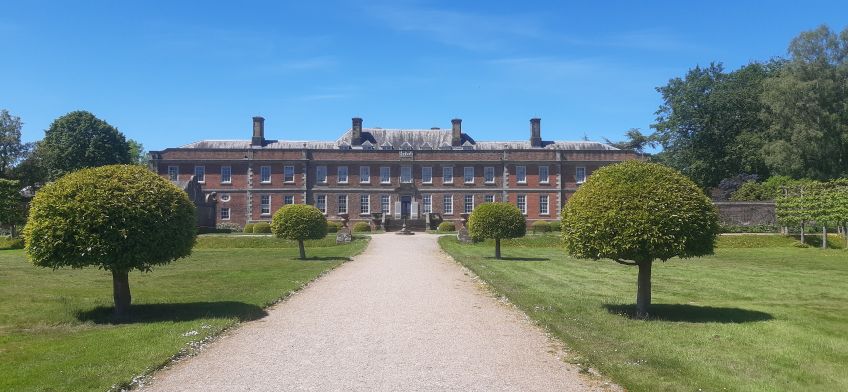
My wife Jenny and I toured the house taking in both the servants’ quarters and the grand apartments on the upper floors and found all the trappings from its social history fascinating.
For unlike other estates that focussed on the aristocracy, the Yorke family commissioned a remarkable series of portraits and poems celebrating their household staff.
Because the Yorke’s had the hoarder mentality, they saved everything from original 18th century textiles to historic scrap paper so that today’s visitors have an intimate and unmatched window into how a British stately home evolved over the centuries.
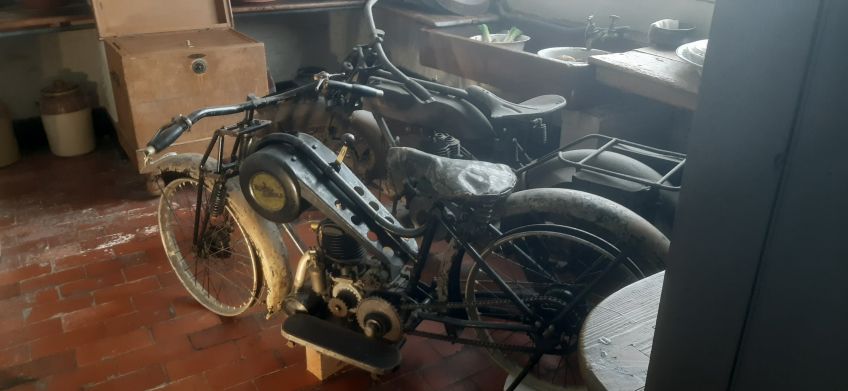
But by the 1950s and 1960s the family had dwindled and the house was in serious decline having been literally undermined by coalmine excavations and was now being occupied by the last squire and bachelor Phillip Scott Yorke who according to one of the National Trust guides, lived alone in a couple of rooms.
Coming out into the bright sunshine on one of the hottest May days of the year we strolled around the Hall’s extensive grounds admiring the magnificent views over open and rolling countryside and watching the carp swimming lazily about in the lake.
Back at the Visitors’ Centre we learned that a team of five full-time gardeners tended the grounds and those of the National Trust’s nearby Chirk Castle assisted by dozens of enthusiastic volunteers and no doubt we might come across some of them at work later that afternoon.
Chirk Castle is dramatically positioned above the Ceiriog Valley being just south of the Llangollen Canal and the famous Chirk Aqueduct. I had walked the canal some years earlier blissfully unaware that this medieval fortress was only a scenic half-hour’s walk away. But we were here now and that was what counted I consoled myself.
Completed in 1295, the castle is the oldest continually inhabited Edwardian fortress in Wales. While originally built by Roger Mortimer for military defence, it was purchased back in 1595 by Sir Thomas Myddelton a wealthy merchant venturer, Lord Mayor of London and son of the Governor of Denbigh Castle and remained in the family for more than four hundred years until being acquired by The National Trust in 1981.
Again, there was so much to see in the castle with lavish interiors including a 17th century Long Gallery and 18th century state rooms with rich furniture, paintings and tapestries and of course its Servants’ Hall, while outside it soon became clear that the full-time gardeners and all the volunteer would have their work cut out in a more intensive way.
For while Erddig’s extensive grounds were more given over to long grassy rides behind the house and a long lake, the 5.5 acres Chirk Castle gardens included spectacularly manicured yew trees grown to mirror the monumental scale of the castle plus long curved herbaceous borders.
By teatime we were all houses and gardens out and it was comforting to know that we would be back at The Wynnstay in just over twenty minutes and could relax out on the lawn with a glass of chilled white wine.
The following morning, we would be driving back to our hillside cottage with its own wonderful garden created by Jenny close to Monmouth and the Wye Valley but there was still one last National Trust treat in store.
But just thirty-five minutes away on our scenic cross-country way home we would be passing close to The National Trust’s dramatic Powys Castle hewn out of red sandstone by a Welsh prince back in the 13th century and still dominating the skyline.
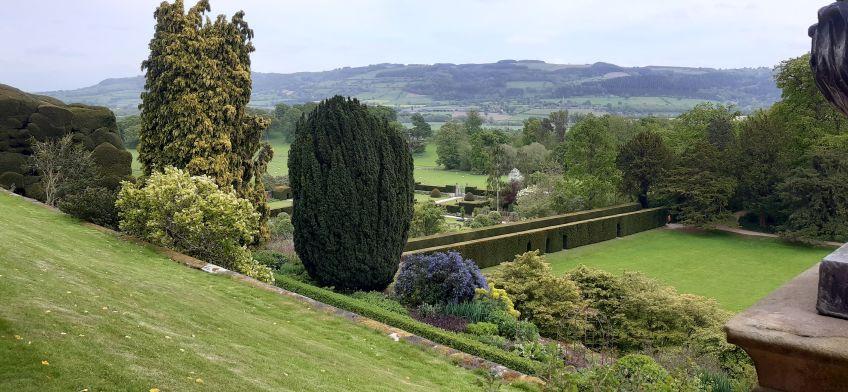
Its extensive Baroque gardens are terraced dramatically down the south-facing hillside into the shallow valley below and are certainly a must for garden lovers.
One striking feature of the gardens are the giant topiary yews that could not be accessed without scaffolding at pruning time.
A tour of the castle is also a must if only to see the collection of more than one thousand treasures collected by Clive of India and dating from 1600 to the 1830s.
Robert Clive was an important figure in the powerful East India Company which dominated trade between Europe, Asia and the Middle East.
All too soon it was time to climb into the car for the two-hour drive back to our cottage and our own much-loved garden.