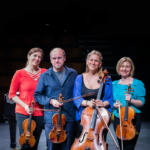
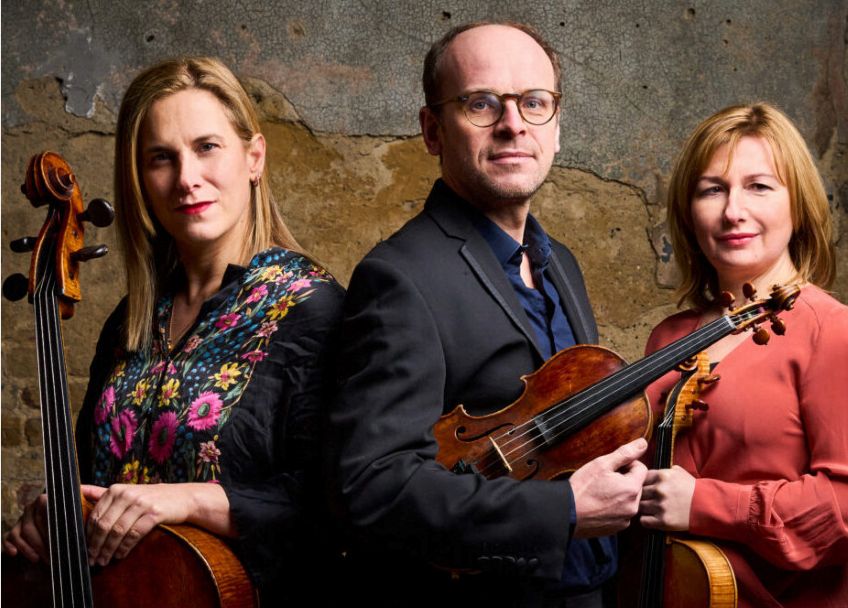
Built around Fantasias, Ensemble 360’s unusual programme, with plenty of dreamlike, soothing meditation on offer, brought music of pleasing variety, interest and beauty. Two of the seven pieces featured special contributions from Robert Plane’s enthusiastic clarinet while all offered opportunities for cello (Gemma Rosefield) viola (Rachel Roberts) and violins (Benjamin Nabarro and Natalie Klouda) to sing their hearts out.
Great English Baroque composer Henry Purcell (1659-1695) wrote his Three-part Fantasias in 1680 at the age of 21, compositions that are highly revered today. In Purcell’s day, though, King Charles II detested Fantasias, aka Fancies, these being short pieces (Purcell’s just 8 minutes) in which a single movement of music moves without formal structuring through exciting contrasts of tempi, rhythm, character and mood. Charles II, though, as with his wigs, must have preferred musical compositions to be longer. But to appreciative ears these fine fancies (numbers 1,2, and 3 played after the interval) show how Purcell, even in such a short space of time, can create a flowing beauty of melody and warm canonic, contrapuntal interplays that reach instantly, deep and direct, to the soul.
Kicking off the first half, though, was The Phantasy String Quartet of Imogen Holst (1907-1984), composed in 1928 and winner of W.W. Cobbett’s competition for Fantasia compositions, though it premiered only in 2007, more than 20 years after her death. Dreamy pastoral meditations and rolling, wavelike flows hold us in the moment, carefree, and with all the time in the world, before branching off down lively, energetic paths to then flow back again to tranquility.
Like Imogen Holst’s piece, the beautifully balanced, highly engaging Phantasy String Quartet of Herbert Howells (1892-1983), played later, was also written for Cobbett’s Fantasia competition, taking second prize in 1917. This fabulous fantasia offers warm, melodious parts for all as it carries us along on a stream of dreamy, restful, tuneful meditation, creating backdrops of serene, rolling countryside on a still, calm day where birds hold sway. Urgent flurries, hurries and even worries intervene two or three times, building lively intrigues of excitement and exuberance, but ultimately, we return each time to the beauty of peace and tranquility. A lovely piece all round.
Removing us from pastoral fancies for a while were the thrilling Three Divertimenti for String Quartet by Benjamin Britten (1913-1976), whom Imogen Holst knew well, also played splendidly on Ensemble 360’s last visit here. The piece was first performed in 1936 when the entire audience, in bad, narrow-minded mood, gave it a frosty reception, prompting Britten to withdraw it till the day he died. The firecracker march, waltz and burlesque components are packed full of energetic surprises, stops, silences, sudden furious bowings, and bending, sighing glissandi, plus every exciting rhythm, texture, contrast and tunefulness the young Britten could muster in propelling us, impressed, astounded and amused, to breathless heights.
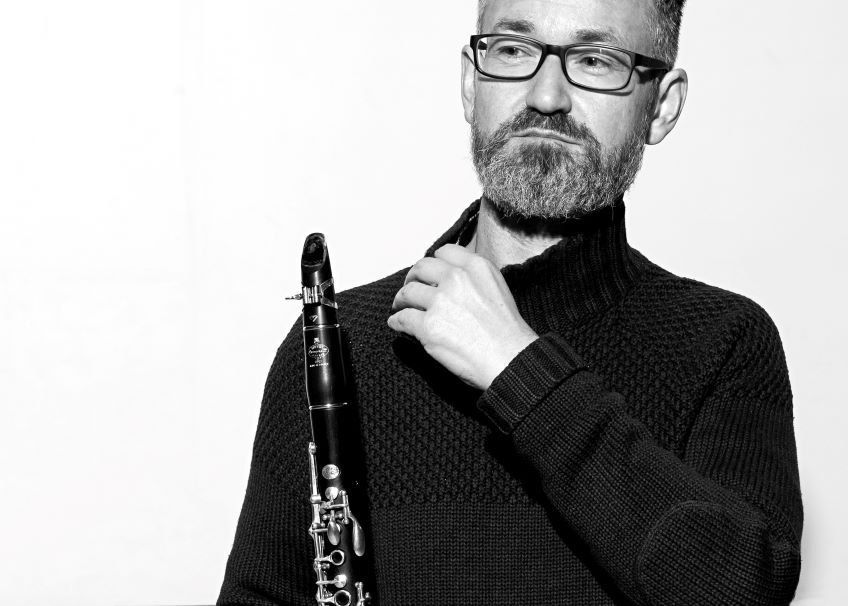
In contrast, a relaxing, contemplative visit to Eilean Shona, a beautiful, un-spoilt Scottish Island to which composer Joseph Holbrooke (1978-1958) had the good fortune to be invited by its rich owner. In this short work, the clarinet and string quartet evoke yet another calm, dreamy day as, with gentle sensitivity, Robert Plane’s calling clarinet reflects the beauty of the landscape in rich, deep tunefulness and in soaring notes and trills.
The clarinet returned in the second half for Pamela Harrison’s 1956 Clarinet Quintet, written for friend and renowned clarinetist, Jack Brymer. It’s a wonderful piece, yet few have heard of Pamela Harrison (1915-1990). Thank goodness, then, that Robert Plane, enthusiastic champion of her chamber works, has made the very first recordings of her chamber pieces. Through three movements the simple, sympathetic interplays of strings, with some pizzicato pluckings and shimmerings, shine brightly in supporting the clarinet’s wonderful shapings. After the lively, joyous fanfare callings and bobbings of the allegro moderato comes a contemplative, languid, thoughtful lento, again with that English pastoral feel of dreamy, indulgent calm, which then gives way to a spirited allegro molto e agitato.
The finale, the pinnacle of any programme, brought Vaughan Williams’s The Lark Ascending, based on George Meredith’s 1881 poem and completed in 1920. As soft string blends evoke perfectly the serene English countryside, the violin takes the dainty, agile, fragile lark (and us) soaring delicately ever skywards, up and up in song-drenched circles, dipping and spiralling until the little bird is but a distant dot in the heavens. Even then, the power and beauty and the ebb and flow of its sweet, fluttering melody still continue, full-throttle, to enchant and thrill all on the earth below. And that’s what the violin must do. In real life the lark finally plummets like a stone back to the grassland after its performance: Benjamin Nabarro’s beautiful, magical performance, though, left everyone flying high.
Lots of restful meditation tonight, then, all delivered in beautiful music – and we can all do with some of that.
Eileen Caiger Gray